
Research Partnerships
The Reserve as a living laboratory, where university researchers, citizen scientists and LRAOR work together to understand and protect the Narran River system and surrounding landscape.
Science on Country
A living research environment
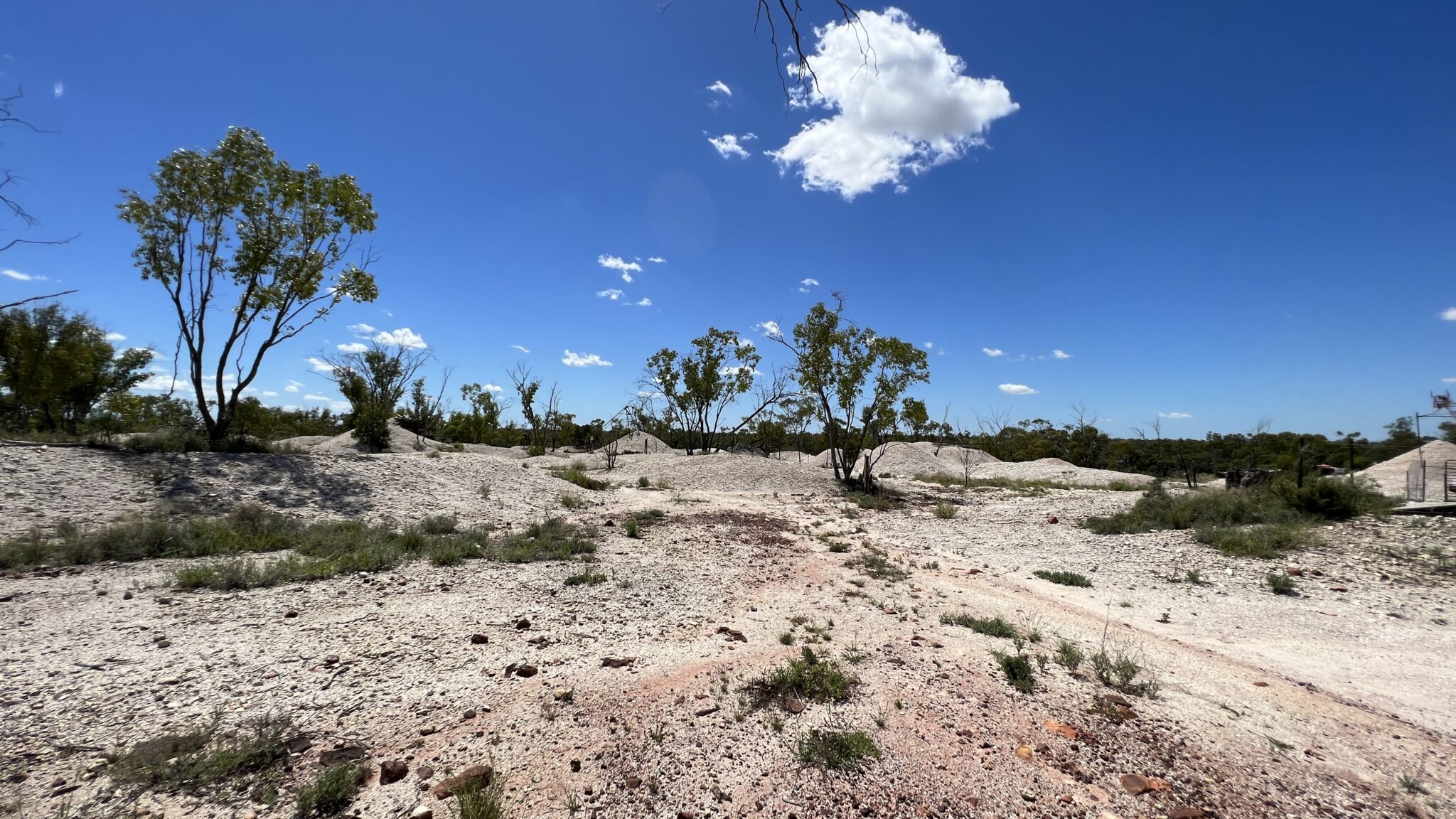
The Lightning Ridge Area Opal Reserve sits within one of the most ecologically significant river systems in inland New South Wales, the Narran River, a major tributary of the Barwon–Darling system. The Reserve's position as a Crown land manager gives researchers something rare: legitimate, long-term access to a large, relatively undisturbed landscape, with on-site support from people who know the land.
LRAOR's partnership with UNSW focuses on fish monitoring and population surveys across the Narran River system. Researchers conduct regular field surveys, capturing, measuring, tagging and releasing fish to build a picture of population health, species diversity and the impact of flow conditions on aquatic life. This data contributes directly to conservation planning and water management decisions for the broader Lower Balonne system.
The University of Sydney brings a different lens: electrophysiology studies that examine how fish respond to electrical stimuli, research with implications for fish passage, tagging methodology and the broader understanding of fish behaviour in variable-flow environments. The Reserve provides the field conditions that laboratory settings cannot replicate, making access to Crown land an essential component of the research design.
LRAOR is also a participant in Flow-MER (Flow Monitoring, Evaluation and Research) for the Lower Balonne, a long-running program that connects ecological monitoring to environmental flow decisions across the Murray–Darling Basin. The Reserve's involvement in Flow-MER places it within a national research framework, connecting local field work to policy processes at the highest level.
Beyond formal university partnerships, birdwatching groups make regular use of the Reserve to contribute to species identification across the landscape. The combination of open water, grassland, scrub and remnant vegetation makes the Reserve a productive birding destination, and the species records generated by visiting groups build a cumulative picture of avian diversity that supports long-term monitoring.
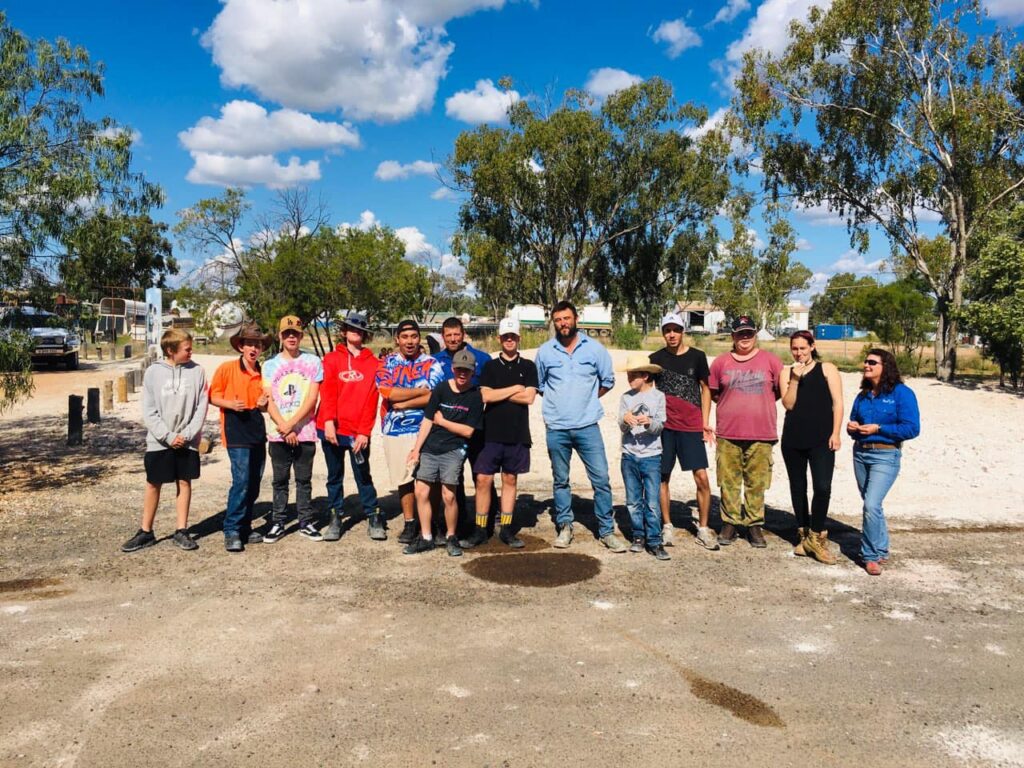
The Wandella precinct is central to making all of this possible. On-site accommodation means researchers can base themselves at the Reserve for multi-day field campaigns rather than commuting from Lightning Ridge or further afield. LRAOR staff provide local knowledge, access to Crown land, and logistical support that is difficult to replicate through any other arrangement.
The Reserve is actively open to new research partnership proposals. If your institution or organisation is considering field work in the Lightning Ridge region, we would welcome a conversation. Contact us at admin@lror.org to discuss what the Reserve can offer.
Current partners
-
UNSW Sydney
Fish monitoring & population surveys, Narran River
-
University of Sydney
Electrophysiology studies
-
Flow-MER Lower Balonne
Environmental flow monitoring & evaluation
Propose a partnership
Interested in conducting research on the Reserve? We welcome proposals from universities, research institutions and community science groups.
Get in touchOr email admin@lror.org
Research partners
Fish Monitoring & Population Surveys
UNSW researchers conduct regular fish monitoring and population surveys across the Narran River system, building long-term data on species diversity, population health and the effects of environmental flows on aquatic communities.
Electrophysiology Studies
University of Sydney researchers use the Reserve's Crown land and waterways for electrophysiology studies examining fish behaviour and physiology, research that informs fish passage design and tagging methodology in variable-flow systems.
Related programs
Wandella Research & Education Hub
The on-site base that makes multi-day research programs possible, accommodation, working space and direct access to Crown land.
Learn more →
Environmental Management
Research data from the Reserve informs our environmental programs, from Hudson Pear biocontrol to feral animal management.
Learn more →Work with us
Partner with the Reserve
We are open to new research proposals from universities, institutions and citizen science groups. Get in touch to discuss access to the Reserve, Wandella accommodation and collaboration with LRAOR staff.
Get in touch